
Nexus Connect: Failure Is an Option
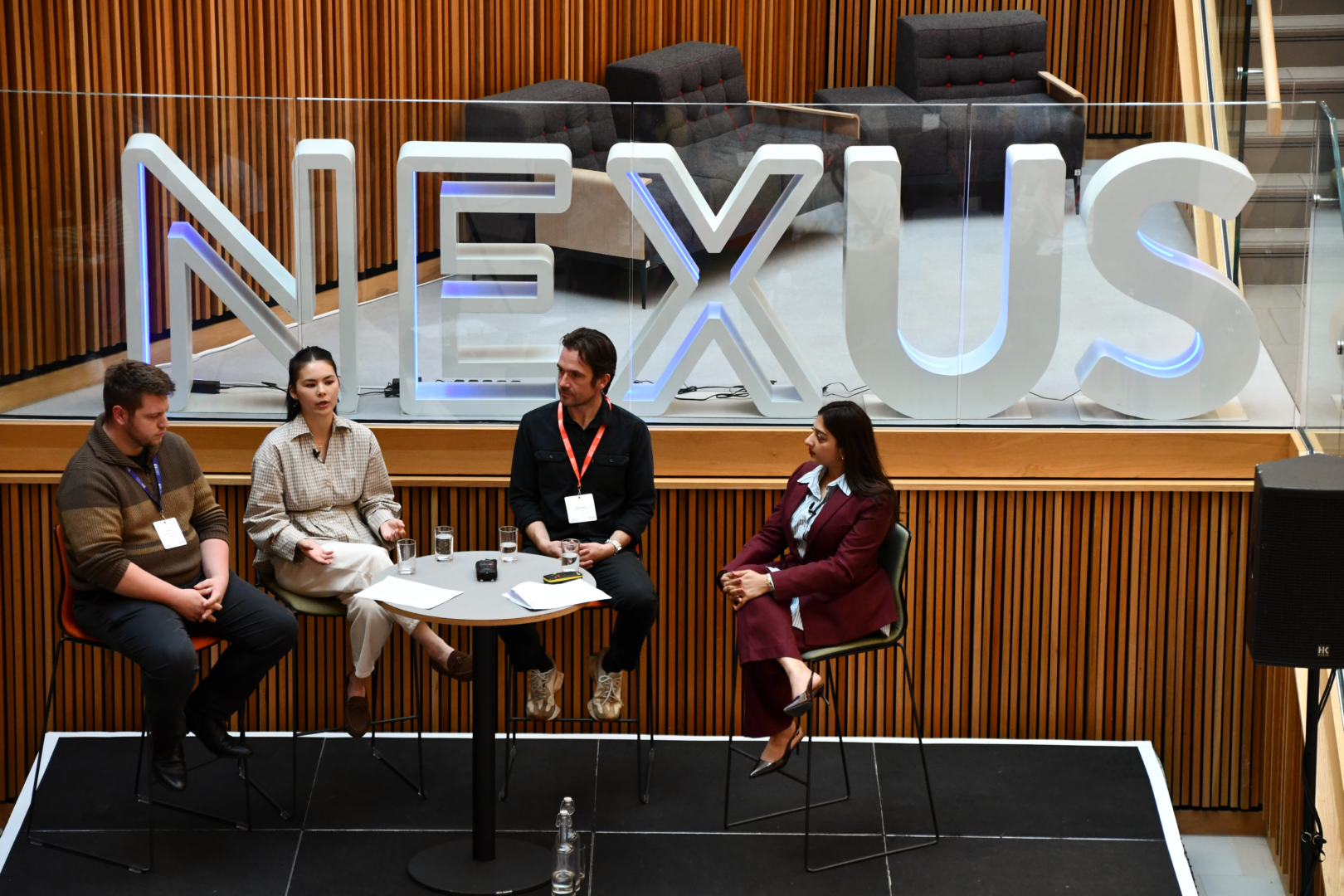
At the 17th Nexus Connect, we explored a theme rarely given the stage it deserves- failure. What it teaches us about resilience, identity, and leadership. Gareth Scargill, Nexus’s Managing Director, opened the event, followed by a keynote from Sonya Barlow, who also guided the panel discussion.
The panel:
- Sonya Barlow, Founder of LMF Network and one of the Top 50 Women in Tech
- Pete Mills, CEO of Crysp
- Ben Coyne, Innovation Funding Consultant at Novus Capital
- Dani Deane, Founder of Harmonai
Why failure matters
Sonya’s keynote offered two messages that echoed throughout the evening: when things don’t go to plan, take a step back, and the best things in life often come from failure.
Failure rarely looks the same twice. One panellist left a corporate career to start a business that ran for eight years before ending naturally, leaving him feeling at 35 that he had messed up his life. Another closed a company he had founded and led as CEO, which felt like giving up something he had worked so hard to build. Another found that a parent’s serious illness in childhood meant missing out on her peers’ experiences, and she wondered whether she could ever build a career.
From research, failure is an “old friend”. It teaches resilience and helps you disconnect the emotional weight from outcomes, and many panellists said they wished they had exposed themselves to failure and stress testing earlier.
Identity after failure
Failure raises a harder question than any business problem: who are you without the thing you were doing?
Panellists described an in-between state, whether moving from university into corporate life or leaving a business entwined with their identity. No exit plan accounts for this. Rebuilding meant gaining new skills, joining new ventures, and examining their own personalities. For one panellist, it led directly to founding a new business.
One panellist, diagnosed with ADHD at 22 after years of struggling in the education system, had felt like a failure until the diagnosis made sense of everything. She now sees it as a superpower, though it brings challenges: difficulty letting go, mental load, and the urge to give attention to everything at once. Her approach is to slow down, find an anchor, and go all in on one idea.
Money, time and fresh starts
The panel championed “fun money”: setting money aside as the fruits of your work, especially since failures hit harder than successes. Setting aside time matters too, to explore different environments and people and to try the thing you think may fail.
Ideas can be kept alive. One that failed in one place may work in another. Parenthood adds another dimension: children can leave you feeling defeated, but they can also inspire you to continue. One panellist started the Innovative Entrepreneurs Programme three months postpartum, wanting to show her children they can do anything.
Honesty, support and the value of a realist
When asked what got them invited to the event, panellists pointed to openness and relationships: telling their story, showing vulnerability, networking, and doing right by others. Support matters most when it is honest. One panellist was surrounded by voices urging him to push on while burnt out; it took one voice telling him to stop for him to choose himself.
Everyone needs a realist to offer perspective.
Asking for help is hard, even when giving it is easy. The key is to put your ego aside and find the bravery to ask. Even one person to lean on makes a difference. AI tools can act as a sounding board by exposing gaps in your thinking, and skill swapping can build a credible network.
Leading authentically
Panellists advised looking for high-quality leaders, acting with integrity, setting people up for success, and building with people different from you. Leadership often arrives alongside personal challenges; one panellist handled a parent’s Alzheimer’s diagnosis while leaving a long-term business. Lived experience, such as a strong sense of justice or managing mental health and multiple demands, can strengthen leadership.
Managing a team means understanding what people want versus what the business needs, so ask about priorities during hiring. Know your culture, define your principles, communicate openly, and be a safe platform for people. Authentic leadership isn’t about being friends with employees. It requires fairness, transparency, in-person difficult conversations, clear boundaries, and a well-understood goal.
For those starting out: find a team or network, know your USP, find your audience, and believe in it. Seek people who test you and ask challenging questions.
Knowing when to keep going
In the Q&A, the audience asked how to decide whether to continue. The answer began with instinct: listen to your gut, then make the call. Controversially, failure isn’t an option when you’re responsible for salaries; when payroll is due, you find the money.
We are also often our own worst enemy, sticking with what’s familiar out of fear. A clear parameter or time period can help. For retention, the panel offered a simple system: responsibility, recognition, workplace balance, and reward.
Failure is not the opposite of success but part of the route to it. What feels like an ending is often the start of a rebuild, and resilience is built together. Failure may be an option, but when others depend on you, it demands responsibility, honesty, and the willingness to make the call.
Key takeaways
- Stepping back after a setback is a strength, and failure is where key learning happens
- Rebuilding identity takes time, reflection, and support
- Laugh at failure after allowing yourself to feel it
- Surround yourself with realists, diverse teams, and challengers, and ask for help
- Lead with fairness, transparency, and boundaries
- Retain talent through responsibility, recognition, balance, and reward
Latest news
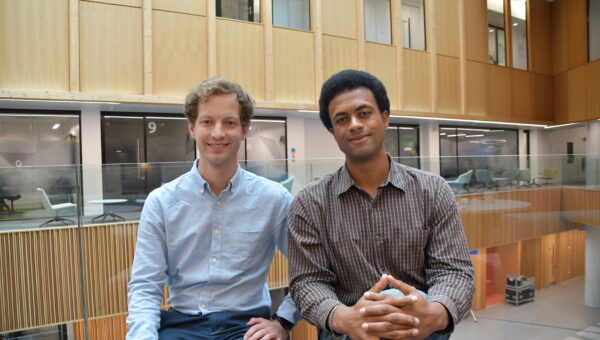
Nexus Meets… Adsilico
Liam Swanson and Benjamin Matheson from adsilico speak to us as part of our Nexus Meets series.
Read article
University of Leeds AI spinout raises £10m in Series A funding
University of Leeds spinout adsilico™ has raised £10m in Series A funding led by PXN Ventures. Existing investors Northern Gritstone and Parkwalk also took part in the round.
Read article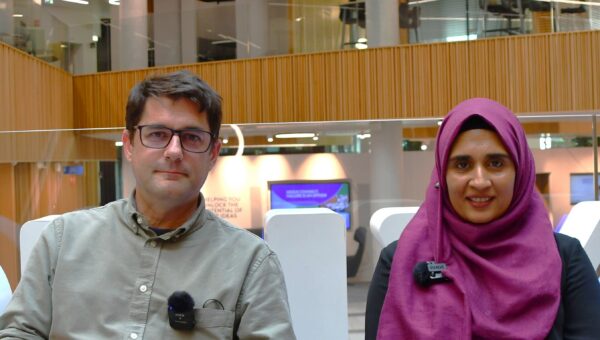
Nexus Meets… Allotype BioDiscovery
Lubna Shafi and James Robinson from Allotype BioDiscovery speak to us as part of our Nexus Meets series.
Read article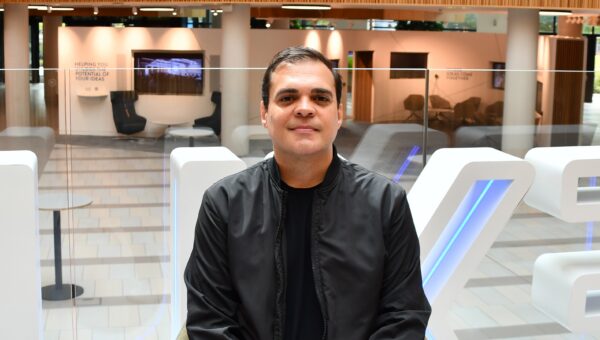
Nexus Meets… Caren
Thiago Bonfim from Caren speaks to us as part of our Nexus Meets series.
Read article