
Urbis Smart Cities: Cosmic Films, Czech Driving, and a 400‑Year‑Old City on Tour
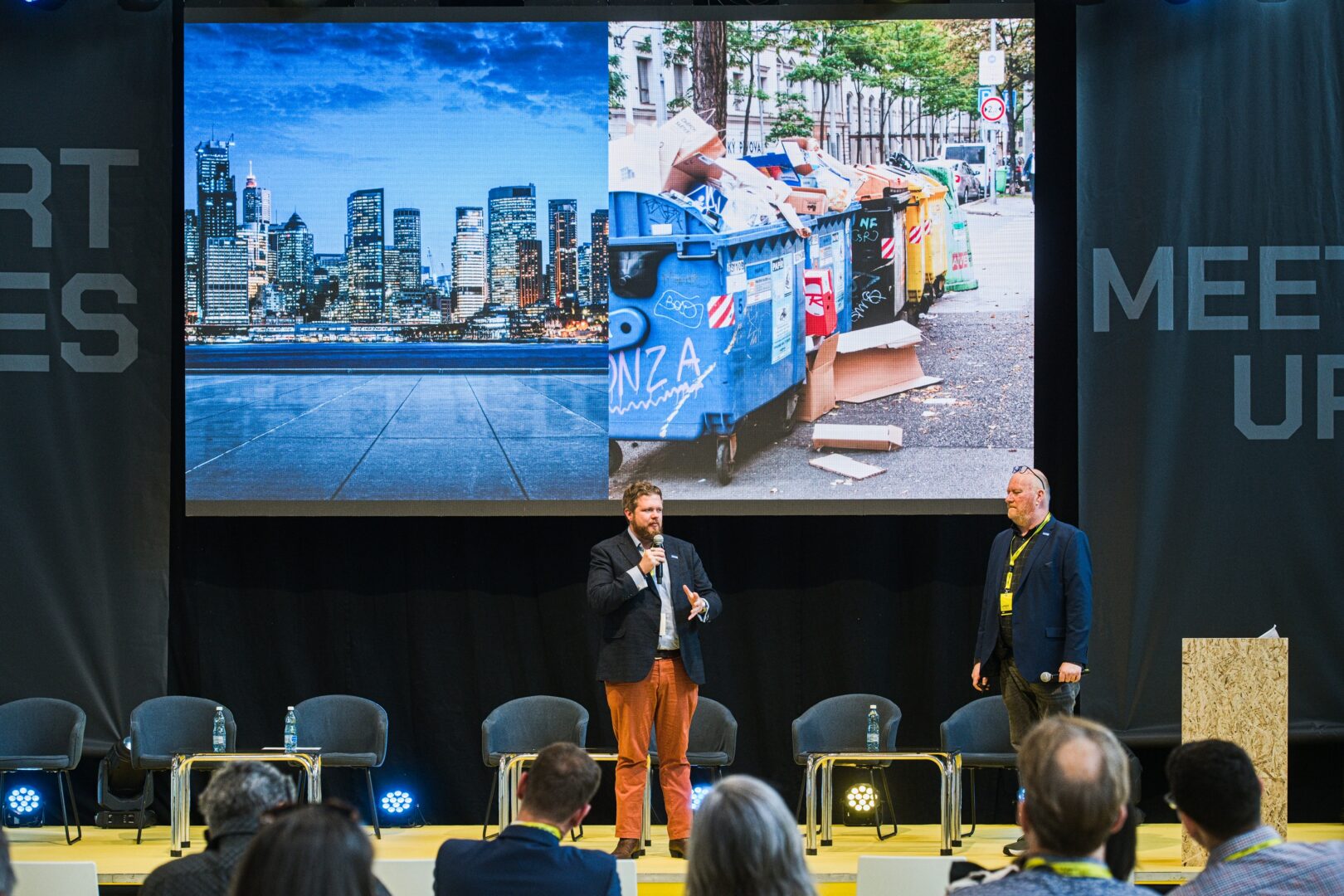
When I, Barry Singleton, and Dennis Dokter boarded our flight from Leeds Bradford Airport, we were carrying more than hand luggage. We were carrying the honour of representing Leeds — a city proudly celebrating the 400th anniversary of being granted city status — at Urbis, Brno’s flagship Smart Cities Conference.
The flight was smooth, serene, almost meditative. The drive from Prague to Brno, one of Leeds’ sister cities, however, was… not.
It quickly became apparent that Czech driving has a certain style that makes the M621 look positively sedate. Dennis enjoyed the pace; I spent much of the journey mentally applying the air brake. Arriving in Brno even paler than usual, but very much awake, we were ready to dive into a week of ideas, innovation and the occasional existential crisis.
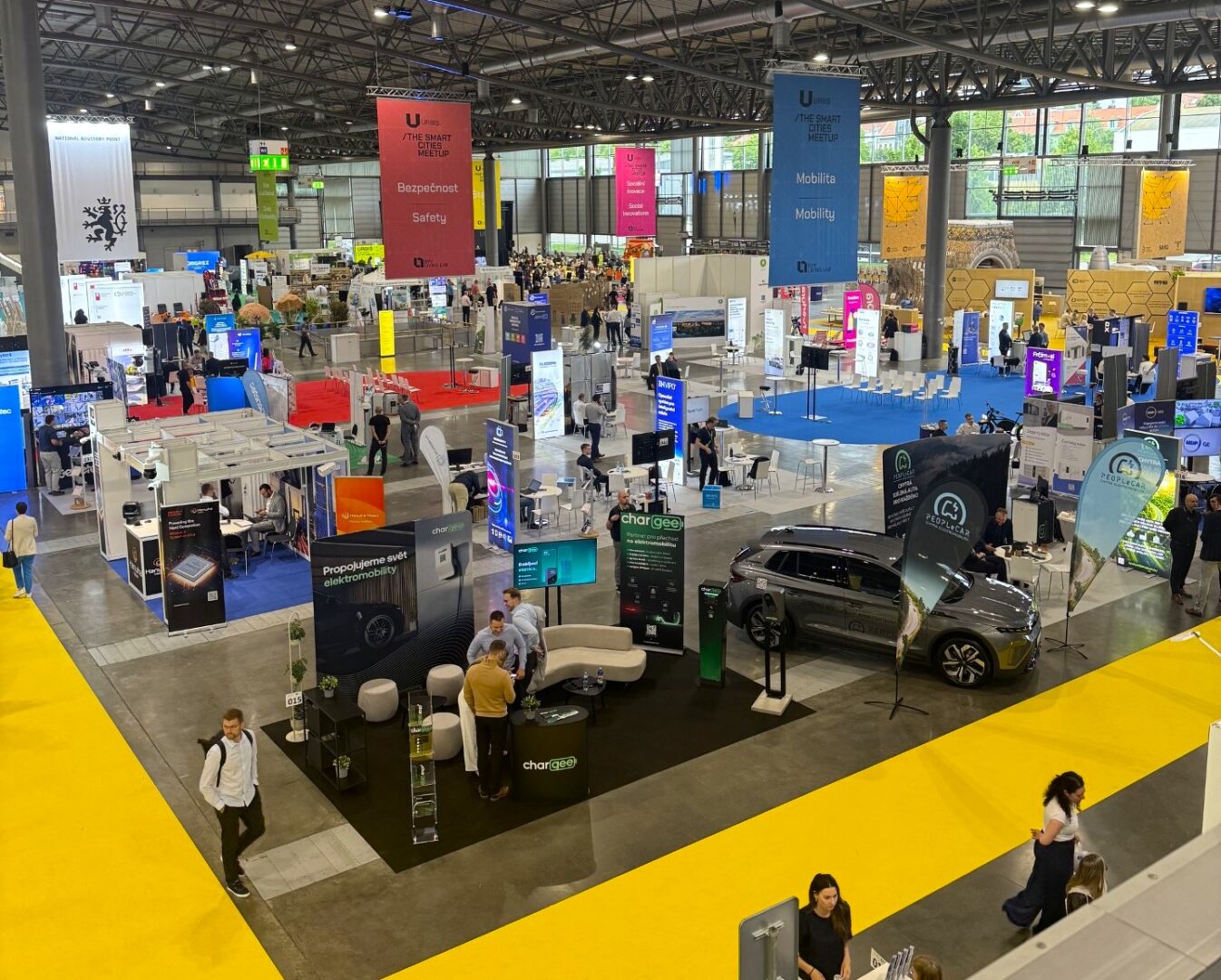
This year’s Urbis was a vibrant mix of conference sessions, technology showcases, VR-enabled CPR training, and hands‑on workshops designed to help city leaders build resilience in a world that refuses to sit still. As representatives of Leeds – Brno’s long‑standing sister city – our hosts welcomed us like family. The relationship between the two cities has always been warm, but this year it felt especially meaningful. After all, it’s not every day your sister city turns 400.
The week began with a cosmic treat: a private screening at the Brno Planetarium & Observatory, courtesy of Jakub Rybar. The screening explored dark matter and the latest discoveries from space telescopes, reminding us of both the scale of innovation and our place in the universe.
Back on Earth, the Sister Cities Meet‑Up at the Hotel Continental brought together leaders focused on the future of energy. It was a fitting moment of collaboration between Leeds and Brno, two cities that have spent decades learning from each other and pushing the boundaries of urban innovation. Attendees from Budapest, Vienna, Bratislava, Stuttgart and Leipzig shared knowledge, experiences and more than one or two glasses of Czech beer and South Moravian wine over dinner, and both Dennis and I feel grateful for the opportunity to share convivial conversations with people from different cities facing often many of the same challenges.
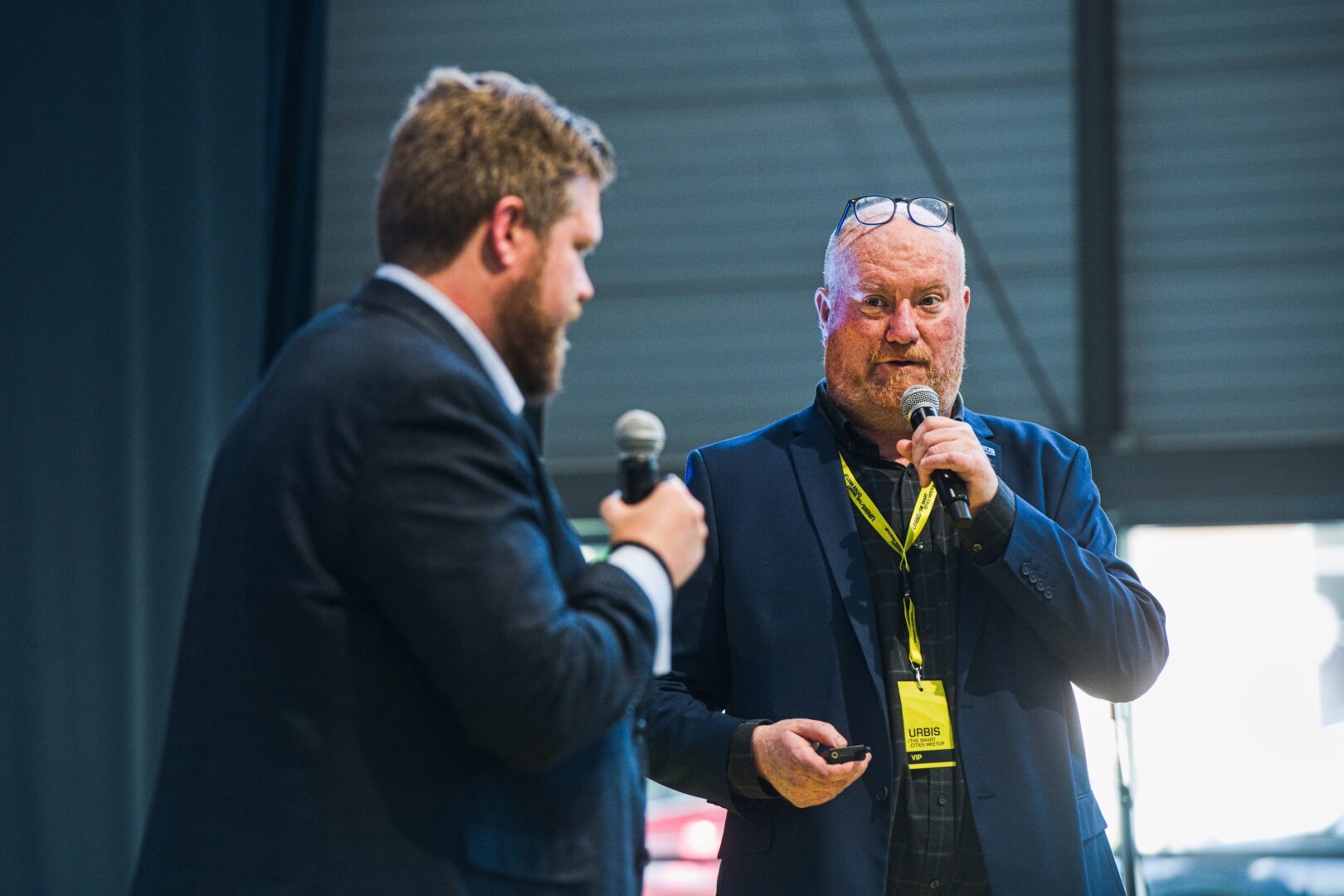
At Urbis, we took to the main stage with a message that was equal parts caution and optimism: Before deploying AI to manage cities and citizens, leaders must learn to ask the right questions. Not just “Can we do this?” but “Should we?”, “How will it affect people?” and “How do we ensure we make better decisions?”
We asked attendees to lean into their game-playing instincts, and Dennis suggested that leaders think about creating, assessing and deploying AI through the context of playing games.
Leaders can approach linear decisions like chess, using AI to improve decisions involving known variables and rules. Examples include optimising energy supplies, improving supply chains and supporting power station operators.
Urbis Smart Cities Conference
For more complex decisions, like deploying police resources, reducing traffic congestion or improving the flow of pedestrians during a crisis, where personality types and therefore behaviours are less predictable. We asked the audience to think of these challenges in the context of playing Traitors.
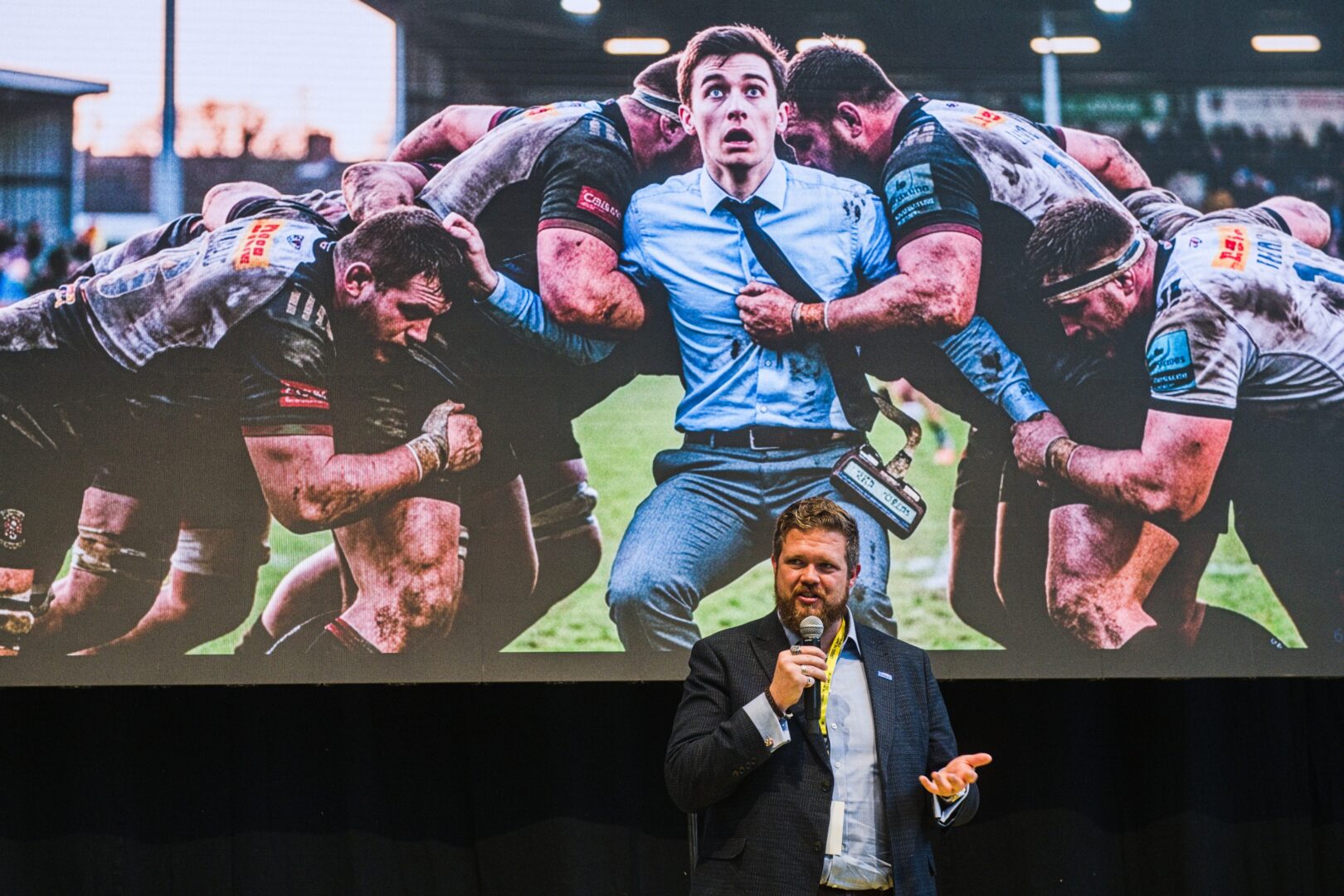
We encouraged city leaders and decision makers to consider what game they’re playing: is the challenge linear and predictable, or complex and human? Are they using the right tools for that challenge? And where should human oversight sit in the workflow to ensure accountability?
The schedule didn’t slow down. A podcast recording for a Czech audience, Dennis’ workshop on data-driven decision-making for city leaders, and a promising conversation with the European Network of Living Labs rounded out the week.
That conversation opened the door to potential collaboration with Nexus and our active research environment. This partnership could bring even more innovation back to Leeds as it enters its next century.
Urbis wasn’t just a conference. It was a celebration of shared curiosity, bold ideas and international collaboration. The Nexus team connected with colleagues from across Europe, sharing experiences and exploring how cities can learn from one another. In its 400th year, Leeds can share much and learn much from cities like Brno, with thriving connected ecosystems.
Special thanks to Jakub Rybar, Tereza Chrástová, Lucie Mezníková, Beata Zapletalová for their warm South Moravian hospitality, and to the organisers of Urbis Smart Cities, especially Marie Zezulkova, Michaela Krmickova, Petr Malinak and Jan Bizik, not forgetting Miroslav Scheiner, special projects manager at the Ministry of Industry and Trade for the Czech Republic, for the kind invitation to participate in their impactful and engaging event.
Latest news

Beyond devolution: What Yorkshire’s growing businesses really need to thrive
Gareth Scargill argues that devolution alone will not fix Yorkshire’s scale-up challenge. Many Northern firms prove their model but struggle to secure the patient capital needed for growth, as investment remains concentrated in the South East.
Read article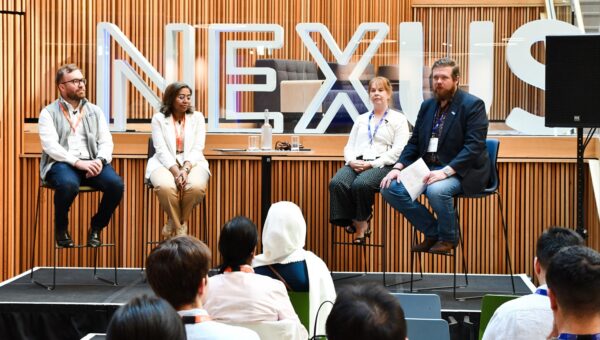
Nexus Connect: Smart Cities or Big Brother?
At the latest edition of Nexus Connect, we explored one of the defining tensions in urban innovation: the promise of smart cities and the surveillance concerns that accompany them.
Read article
Nexus Meets… ClariMed
Jessica Parry from ClariMed speaks to us as part of our Nexus Meets series.
Read article